Every Tree Begins With a Name.
Most Recent Planting
32.2226° N, 110.9747° W — Desert Willow for Eleanor Ruth Navarro, February 2026
The First Tree
My father died on a Tuesday in October. He left behind a pickup truck, a coffee can of loose change, and a way of walking that I still catch myself imitating when I cross a parking lot.
I drove to the land he loved — twenty acres of nothing much, creosote and gravel and the kind of silence that has weight — and I dug a hole with a borrowed shovel. I planted a desert willow. Not because I had a plan. Because I needed somewhere to put my hands.
What the Tree Did
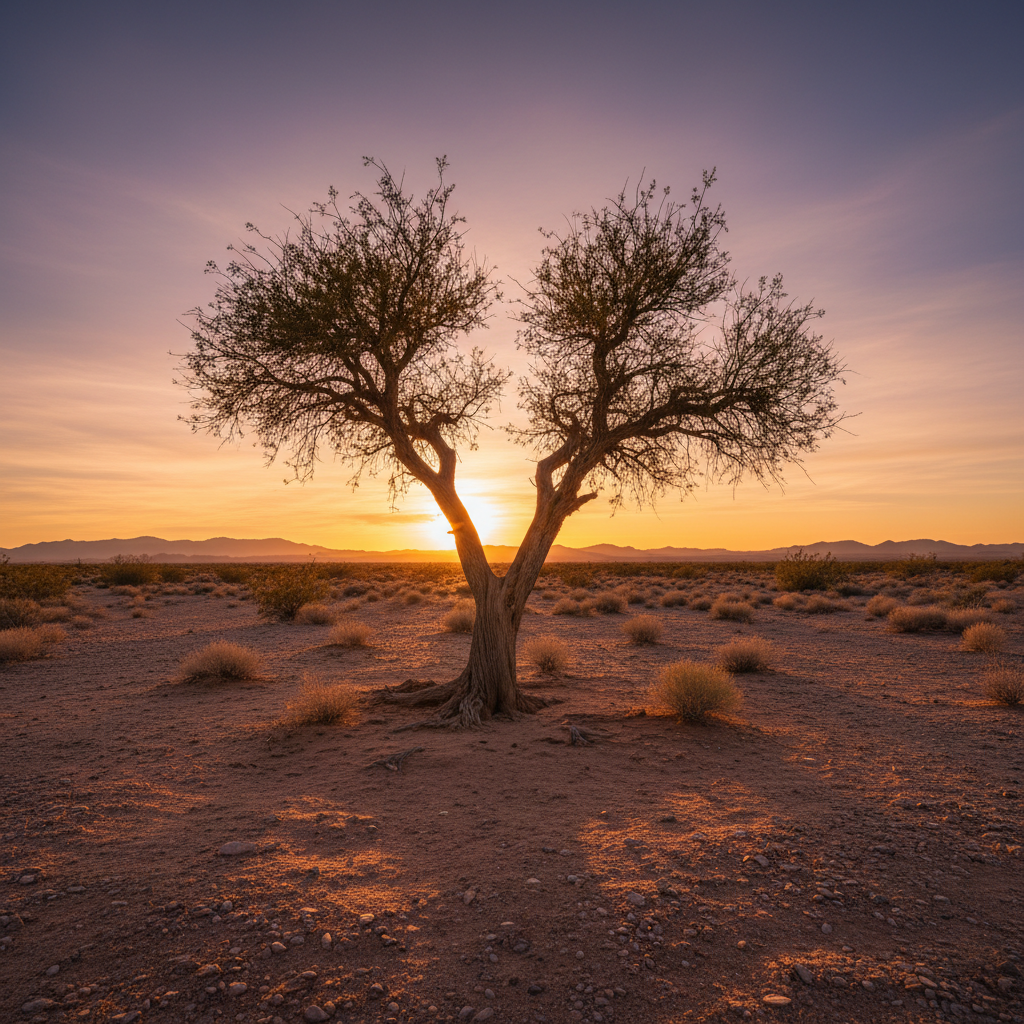
That tree leafed out the following spring. The roots pushed down through caliche and clay, finding water no one had mapped. By summer it had grown fourteen inches. By the second autumn, a curved-bill thrasher nested in the lower branches.
I went back on my father's birthday and sat beneath it. I hadn't expected it to feel like anything in particular. It felt like everything in particular.

Why We Do This
I started helping other families do the same — not as a business at first, but because I kept meeting people who had urns on their mantels and nowhere that felt right. People who wanted something that would still be standing when their grandchildren were old.
Rooted plants native desert trees in places that matter. We work only with species that belong in the soil where they're planted — trees that will live a hundred years or more, that will feed birds and fix nitrogen and hold the hillside after the rains.
Why a Tree Instead of Stone
Three things we've learned in the desert that nobody teaches you about grief.
Root Systems Mirror Memory
A mesquite tree's taproot can reach 160 feet into the earth — deeper than most buildings are tall. The roots don't grow in straight lines. They follow moisture, mineral seams, the ghost-paths of older roots. Grief moves the same way: not forward, not resolved, but deeper, finding its own water.
What Happens in the Soil
When we plant, we inoculate the root zone with native mycorrhizal fungi. These networks connect trees across acres — what foresters call the wood wide web. Your tree becomes part of a living conversation between organisms that have no word for ending.
A Fifty-Year Promise
Desert willows live 50 to 75 years. Palo verdes regularly exceed a century. When you plant with Rooted, you're not marking a death — you're beginning something. Your grandchildren will sit in the shade of a tree that was once your grief, transformed into canopy.
Choose the Right Tree
We plant only trees native to the region. Not because it's a rule — because a tree that belongs in the soil lives longer, grows deeper, and feeds more life.
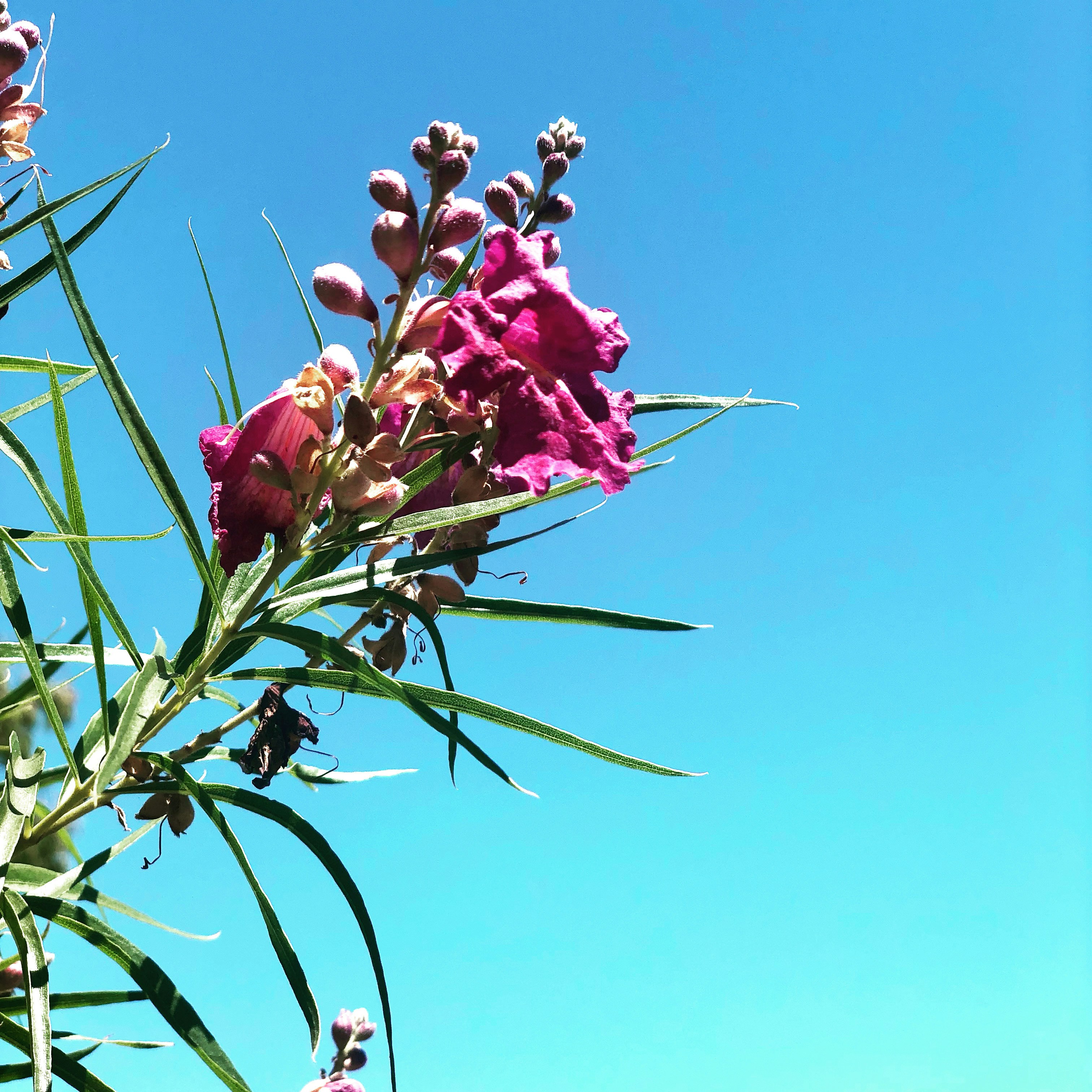
Chilopsis linearis
Desert Willow
Slender and graceful, with orchid-like blooms in lavender and rose that appear each summer. Thrives in dry washes and rocky slopes. Hummingbirds nest in its branches. Grows 15–25 feet tall — enough shade to sit under, not so large it dominates.
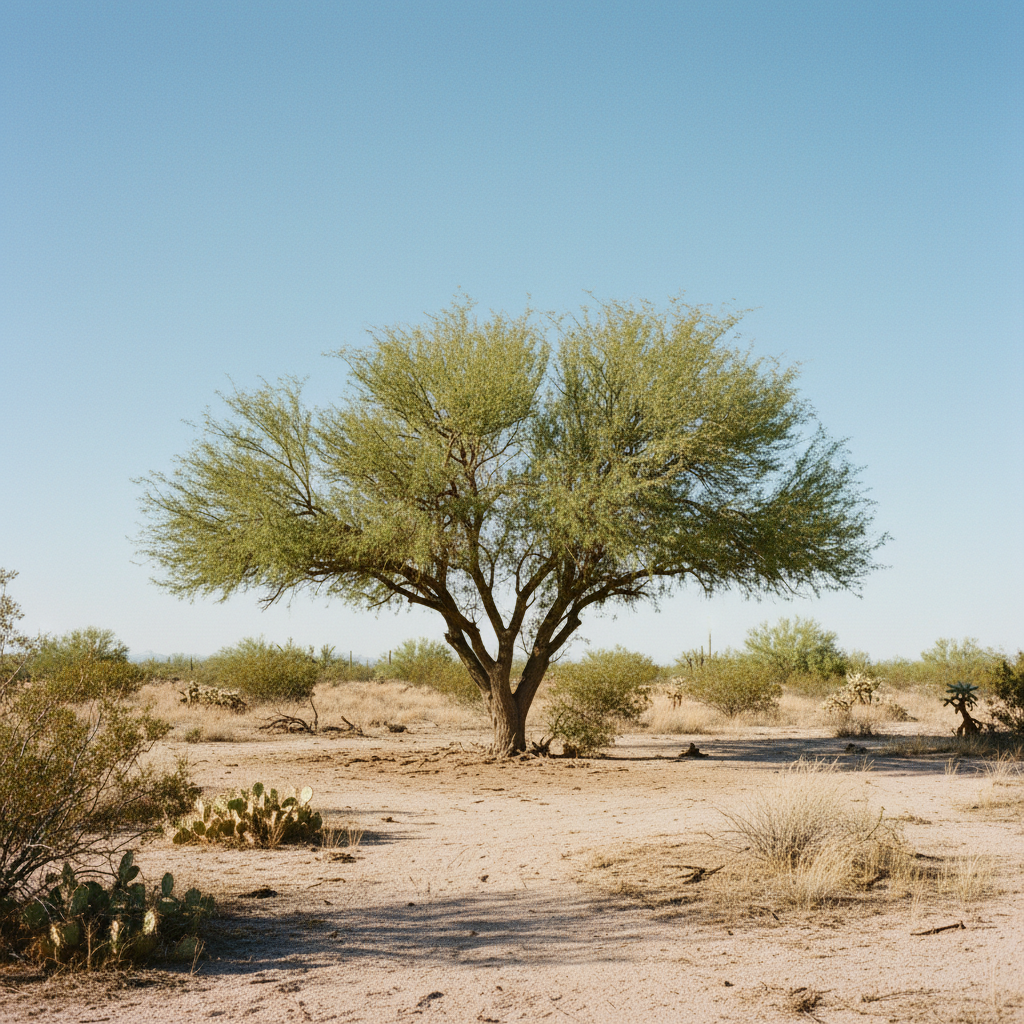
Prosopis glandulosa
Honey Mesquite
Deep-rooted and ancient. Mesquite has fed desert peoples for ten thousand years. Its roots fix nitrogen, enriching the soil around it. Hardy enough to survive drought, fire, and flood — it will outlast everything we plant beside it.
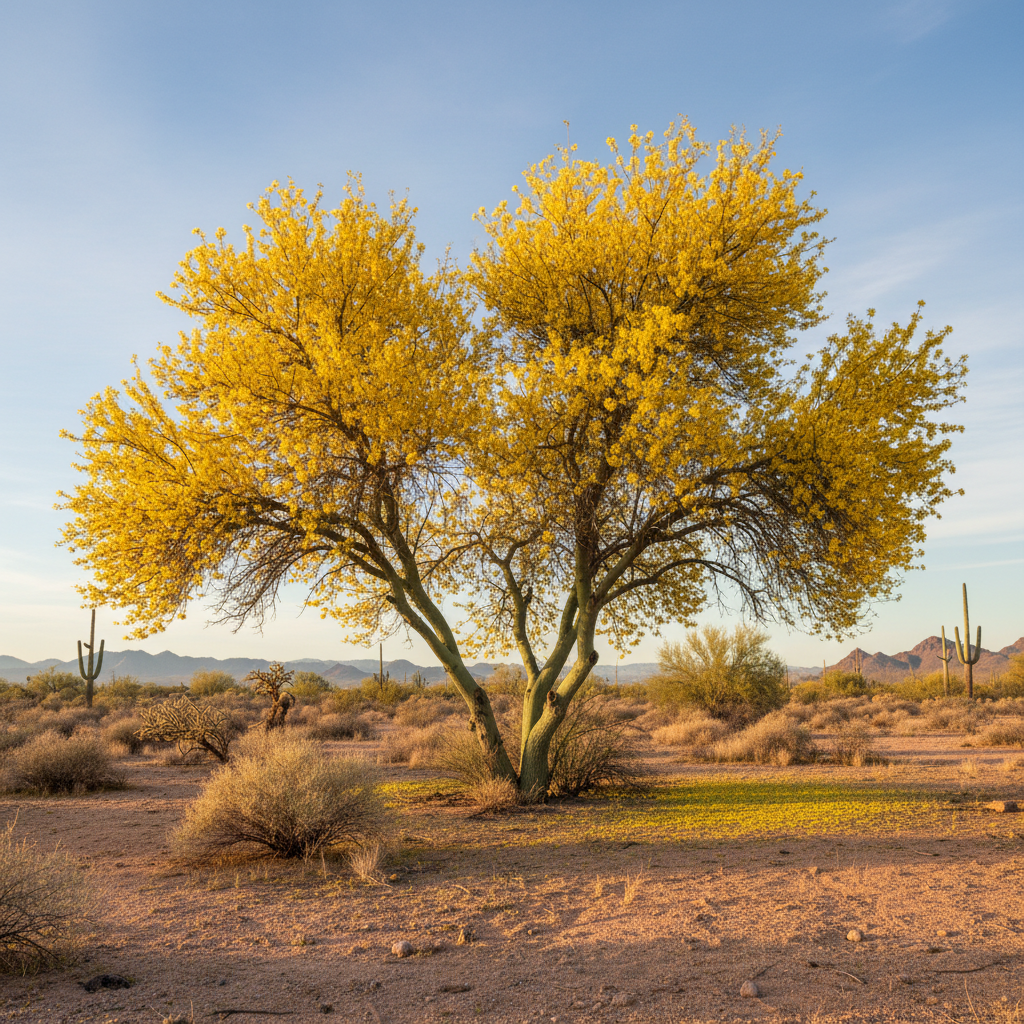
Parkinsonia florida
Blue Palo Verde
Arizona's state tree. Its bark is green — photosynthesizing even in leafless drought. In April it erupts in pure yellow bloom, visible from a mile away. A palo verde is not subtle about being alive.
Not sure which tree fits your family's landscape?
Download the Family Planting GuideTrees Already Growing
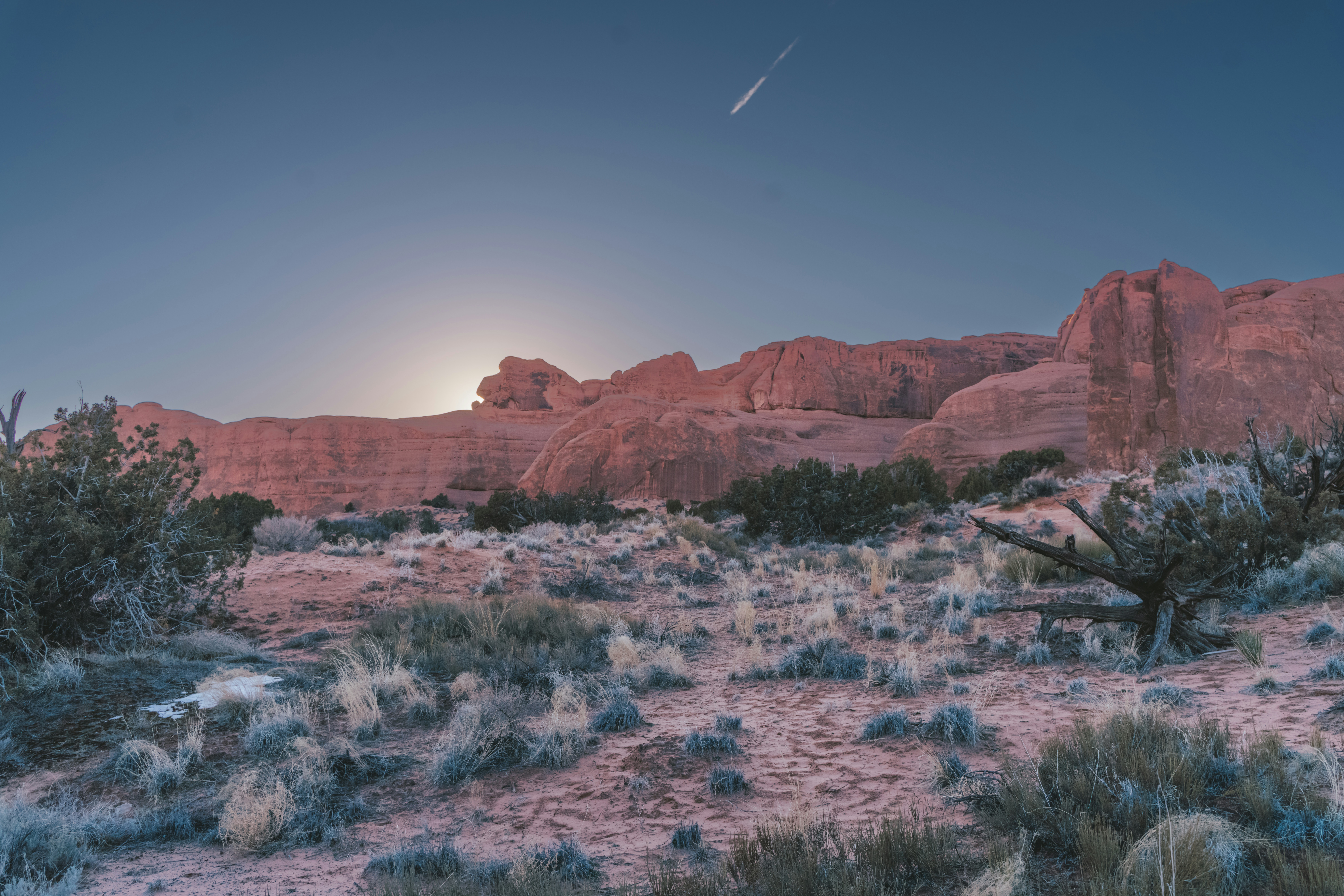
"She used to walk barefoot to the wash every morning before the heat came. We planted the willow right there. Now when we visit, we take off our shoes."
— Her daughter, Carmen
Eleanor Ruth Navarro
1934 – 2025
Tucson, AZ · 32.2226° N · February 2026
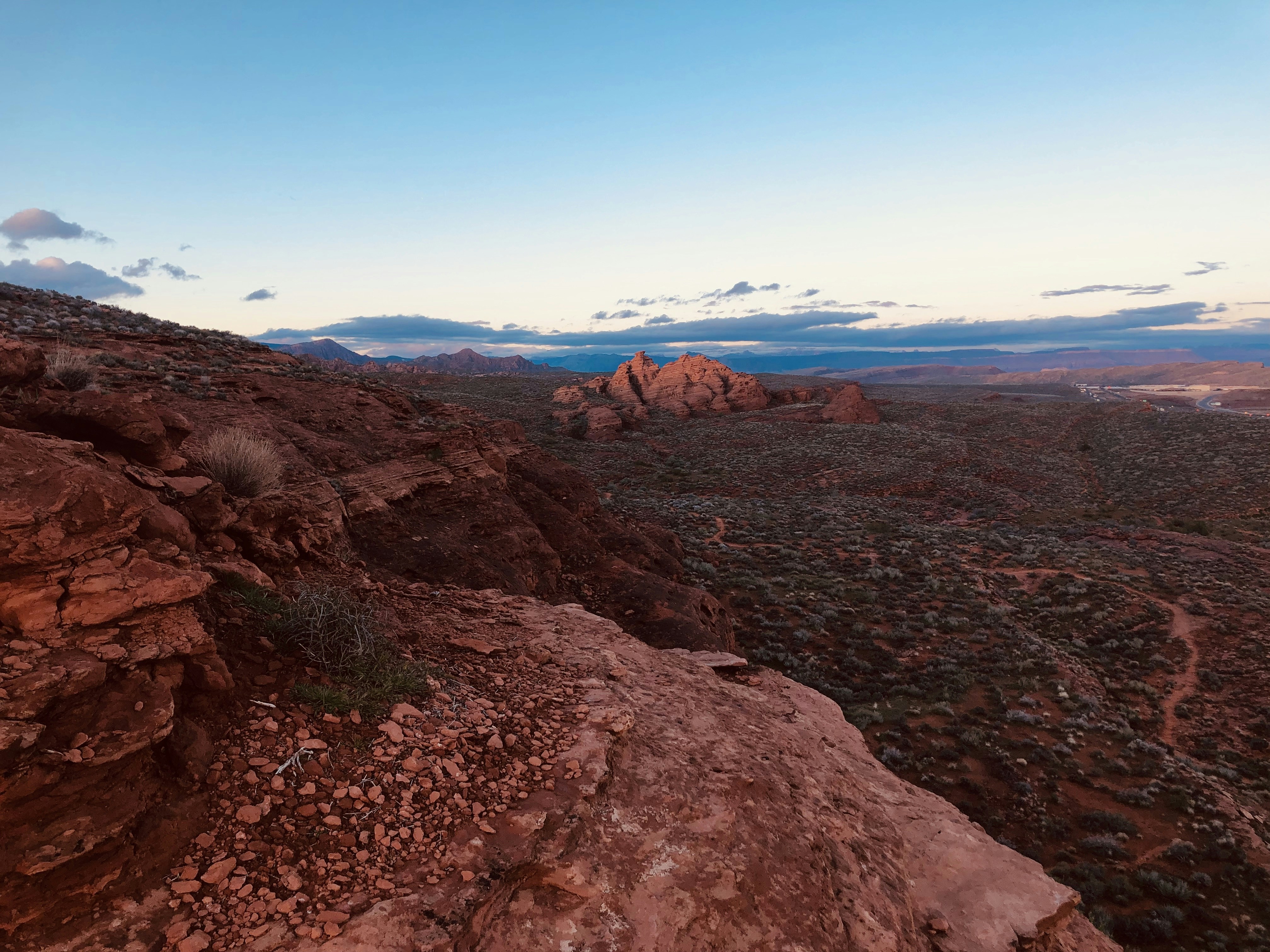
"He was a quiet man who loved yellow things — sunflowers, school buses, the palo verde in spring. We chose it because he would have chosen it."
— His son, Daniel
Thomas W. Briggs
1948 – 2024
Sedona, AZ · 34.8697° N · November 2024
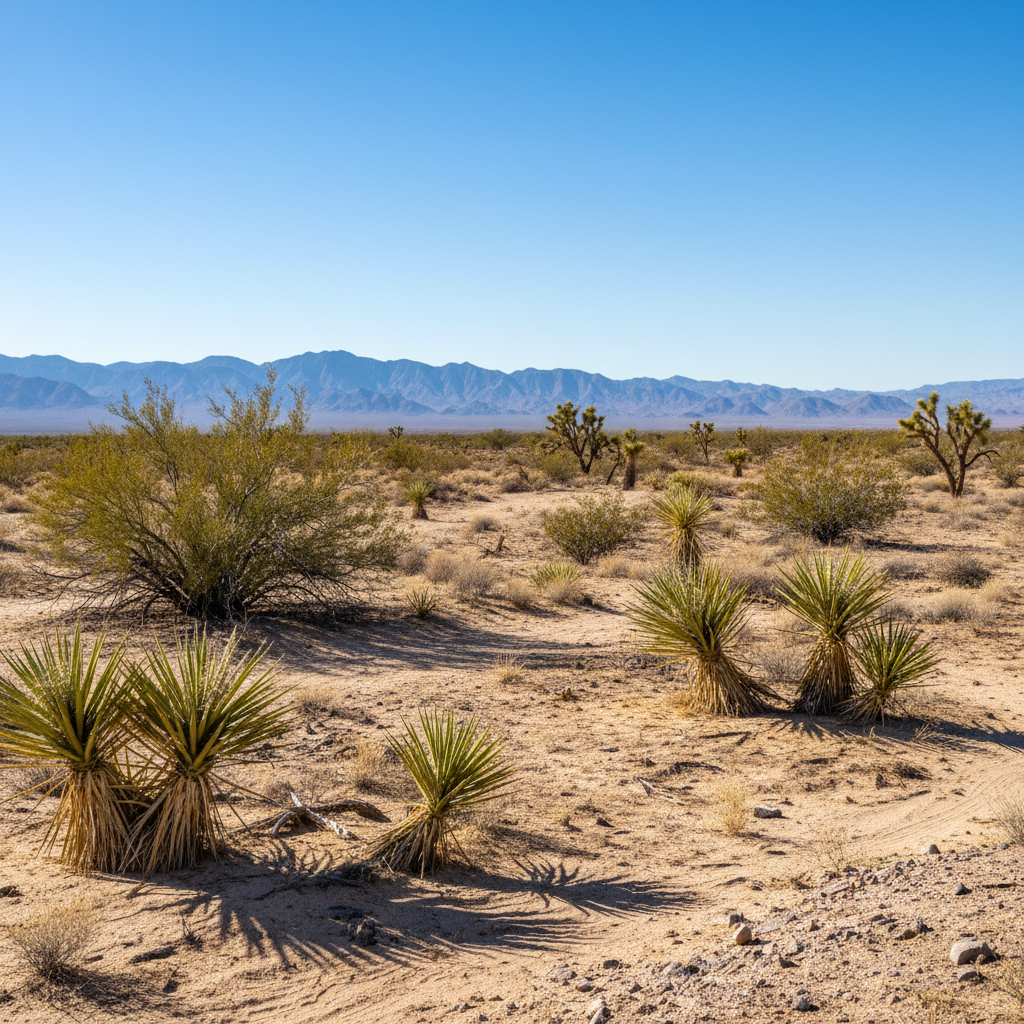
"She came from Lagos and fell in love with the Chihuahuan desert. She said it reminded her of home — big sky, hard ground, everything alive against the odds."
— Her husband, James
Miriam Okafor
1961 – 2023
El Paso, TX · 31.7619° N · June 2023
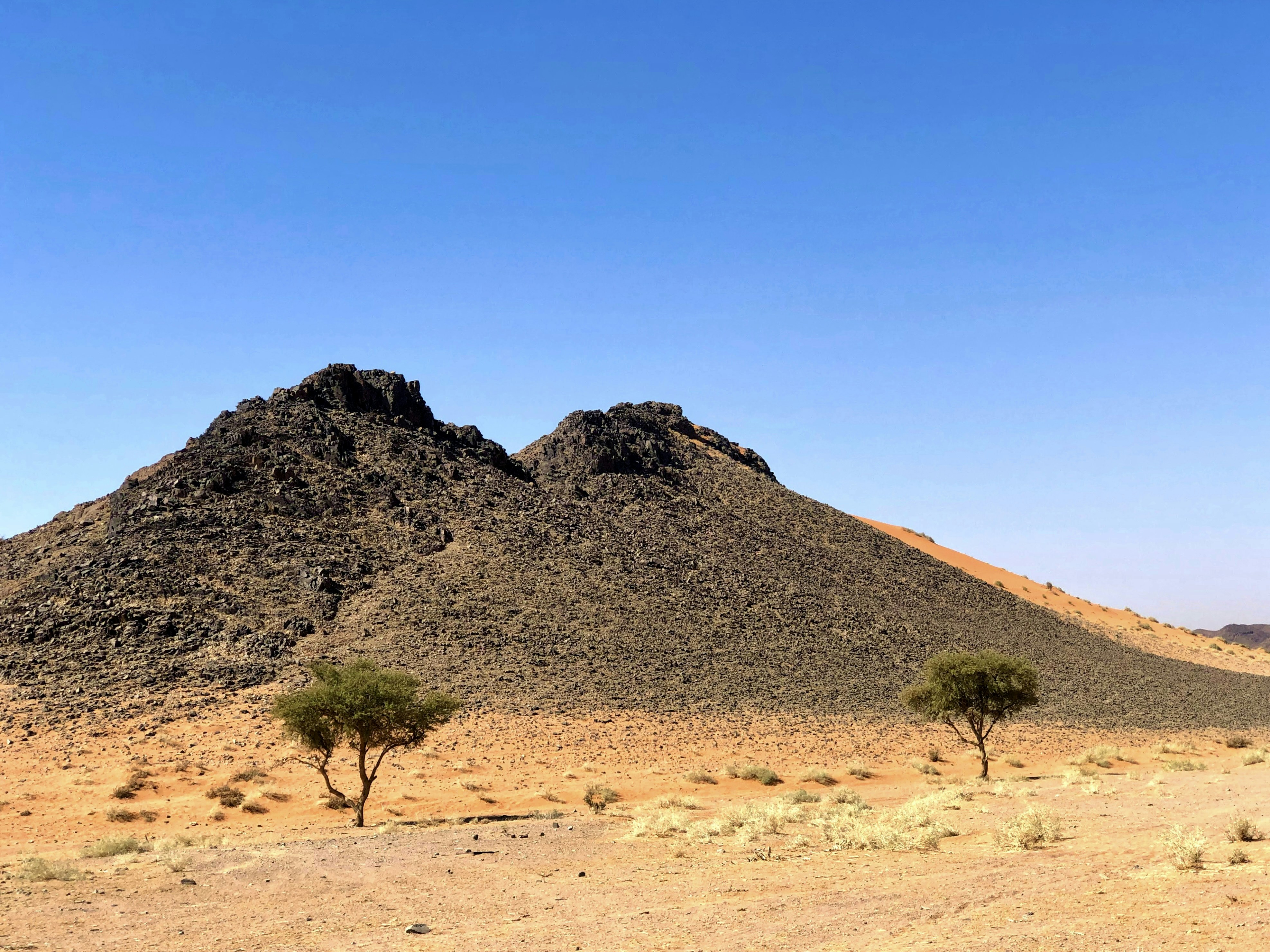
"They were married 52 years. We planted them close enough that the roots will find each other underground. The counselor said that was the most healing thing she'd ever heard."
— Their granddaughter, Sofia
Roy & June Castillo
1940–2019 · 1942–2022
Albuquerque, NM · 35.0844° N · May 2022
The Family Planting Guide
How to choose a species for your family's landscape and climate
What to bring to a planting ceremony — and what to leave behind
How memorial trees are maintained and protected for decades
The ecology of grief: what the desert teaches us about letting go
28 pages. No upsell inside. Just what we've learned from the desert and the families who trusted us with their grief.
First name and email. Nothing more — grief doesn't fill out long forms.